
Executive Summary: Dowry Recovery in Karachi Explained
What the claim is
A suit in the family court for return of dowry (jahez), bridal gifts and the wife's personal belongings, or for their value if they are not returned. It is usually joined with a claim for unpaid dower, and often with khula, maintenance or custody, so that all financial issues are decided together.
Who needs it
Wives, and sometimes their parents acting with them, whose belongings remain with the husband or his family after separation, divorce or khula. It also helps where gold was taken "for safekeeping" by in-laws and never returned, or where articles were sold without the wife's consent.
Fee basis
The fee depends on whether the dowry claim stands alone or is joined with other claims, and on how much evidence must be gathered. It is quoted after the documents are reviewed, with no hidden stages, and you receive the figure before filing.
Usual time
A dowry claim proceeds with the rest of the family suit through reconciliation, evidence and judgment, which may take many months if contested. Execution after the decree is a further stage. We give a realistic range at the outset, but no outcome or timeline is guaranteed.
How to start
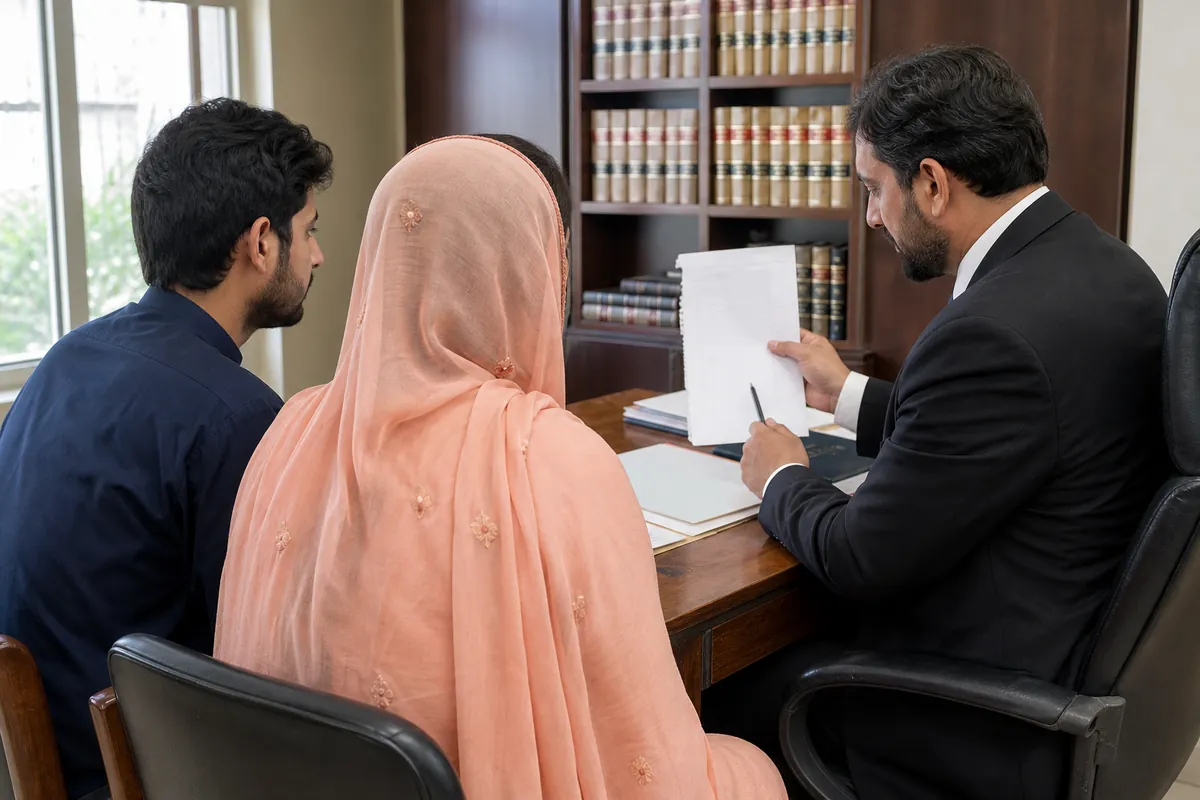
Send a list of the articles with approximate values, any receipts, bank or card statements, wedding photographs and videos, and the names of people who saw the dowry delivered. Message us on WhatsApp, and we will arrange a call to review the material.
Advocate-led since 1985
The firm has practised family and civil law in Karachi since 1985. Sobia Mohsin, Family Law Expert, prepares the claim with the client, and Zaheer Ahmed Qazi, Advocate High Court, brings civil-litigation experience to evidence and execution.
What Dowry Recovery in Karachi covers
Dowry (jahez)
Property given to the bride by her parents or family in connection with the marriage: furniture, appliances, crockery, bedding, clothes and often gold. Under the Dowry and Bridal Gifts (Restriction) Act 1976, dowry vests absolutely in the bride.
Bridal gifts (bari)
Gifts given to the bride by the bridegroom or his family, commonly jewellery and clothes. The 1976 Act treats bridal gifts given to the bride as her property too, so they are not the husband's family's to take back when the marriage ends.
Dower (haq mehr)
Dower is different: it is a sum or property the husband owes the wife under the Nikah Nama. It is not dowry, but the two claims are normally brought together in the same family suit, so we deal with both on this page.
The law behind Dowry Recovery in Karachi
The Family Courts Act 1964 gives family courts exclusive jurisdiction over claims for dowry and the personal property and belongings of the wife, as well as dower and maintenance. That means one specialised court decides all the financial claims, under a simplified procedure designed to avoid the delay of an ordinary civil suit.
The Dowry and Bridal Gifts (Restriction) Act 1976 confirms that dowry and bridal gifts belong to the bride. The Muslim Family Laws Ordinance 1961 governs dower and provides that, where the mode of payment is not specified, the entire dower is presumed payable on demand.
Preparing the list of articles
- List each item separately: description, brand, quantity and approximate value at the time of purchase.
- Group gold and jewellery by piece, with weight in tolas where known.
- Mark which items were given by your family and which by the husband's family.
- Note where each item was kept and who has it now.
- Attach receipts, card or bank statements, and wedding photographs showing the articles.
- Keep the list consistent with what you tell the court; inflated lists damage credibility.
Evidence that strengthens Dowry Recovery in Karachi
Purchase receipts
Shop bills, warranty cards and jewellers' receipts in the family's name.
Bank records
Statements showing payments to furniture, appliance or gold sellers.
Photographs and video
Wedding footage showing the jahez display or delivery to the husband's house.
Witnesses
Relatives or neighbours who saw the articles being delivered or used.
Messages
Texts or voice notes in which the husband's family admit holding items.
Nikah Nama
Columns recording dower and any property given at the time of marriage.
Types of claim and what the court may order
| Claim | What you must show | Typical evidence | Possible decree |
|---|---|---|---|
| Dowry articles | Articles were given and remain with the husband or his family | List, receipts, photographs, witnesses | Return of articles or payment of value |
| Gold and jewellery | Pieces were given to the bride and taken or retained | Jeweller's receipts, photographs, witnesses | Return of gold or its value |
| Bridal gifts | Gifts were given to the bride by the groom's side | Photographs, witnesses, messages | Return or value |
| Unpaid dower | Dower recorded and not paid | Nikah Nama | Payment of the dower amount |
| Personal belongings | Clothes, documents or items left behind | List, witnesses | Return of belongings |
Settling Dowry Recovery in Karachi at reconciliation
Many dowry claims are resolved at the pre-trial reconciliation stage. Once the husband's family sees a detailed list backed by receipts and photographs, they often agree to return the articles or pay an agreed sum. We record any settlement before the court, so that it can be enforced like a decree if it is not honoured.
Defences and where the articles are
When the husband denies receiving the dowry
Denial is common. The husband may say the articles were never delivered, were taken back by the wife's family, or were worn out. The answer is evidence: delivery photographs, witnesses who saw the jahez in the marital home, and messages acknowledging it. Cross-examination often exposes inconsistencies in a blanket denial.
Articles held by in-laws
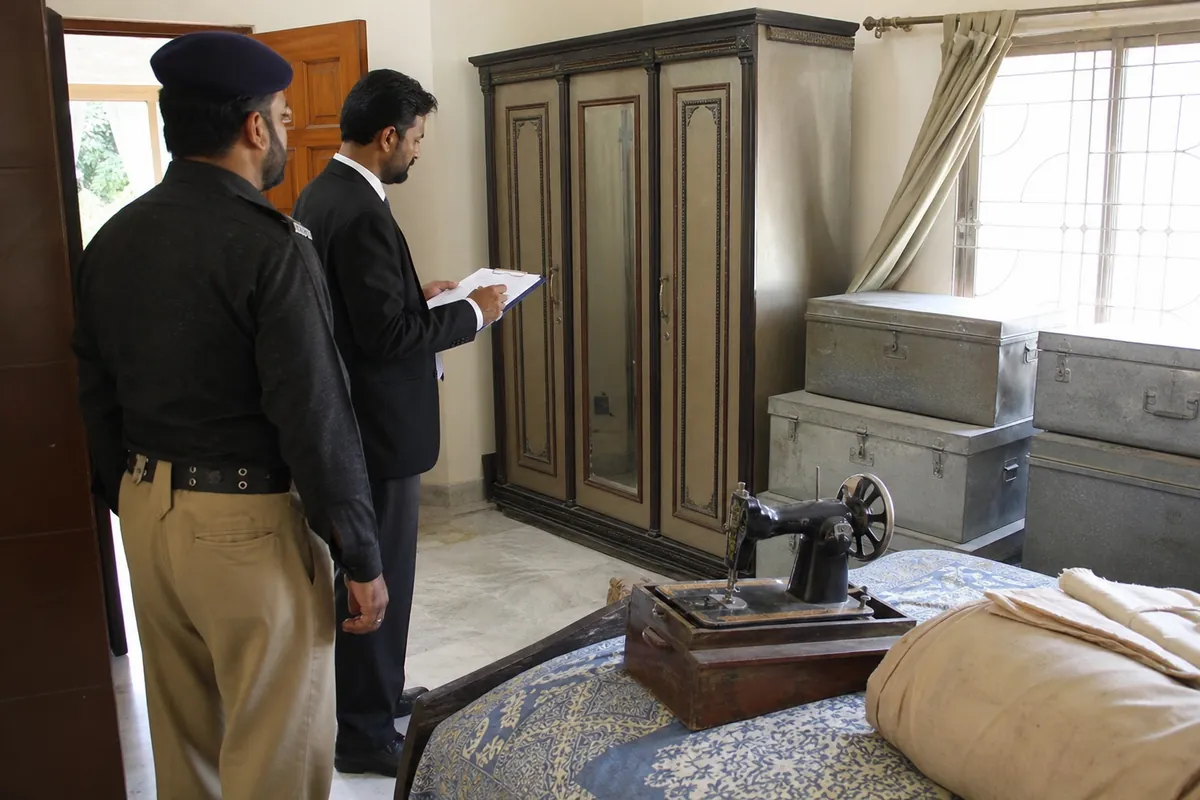
Dowry is frequently kept in a house owned by the husband's parents. The claim is still made in the family suit, and evidence shows where the articles are and who controls them. We draft the plaint to describe the location and the persons holding the property, so that the decree can be executed effectively.
Joining dowry with other family claims
A dowry claim is usually strongest when it forms part of a complete family suit for dower, maintenance and, where needed, dissolution of marriage. One suit means one set of hearings and one judgment. It also lets the court see the whole history of the marriage, which often helps in assessing the evidence about the articles.
The value alternative
Furniture and appliances wear out, and gold is sometimes sold. That is why the plaint asks for return of the articles or, in the alternative, their value. The court assesses value on the evidence, so receipts and realistic figures matter. Where articles are returned damaged, the decree and execution stage deal with the difference.
Steps in a Dowry Recovery in Karachi case
- Review of the list, receipts, photographs and the Nikah Nama.
- Drafting of the plaint, joining dower and other family claims where suitable.
- Filing in the family court where the wife ordinarily resides, and service on the husband.
- Pre-trial reconciliation, where returns are sometimes agreed and recorded.
- Evidence of the wife and her witnesses; cross-examination; the husband's evidence.
- Judgment and decree, followed by execution if the articles or value are not delivered.
Enforcement and timing
Executing the decree
A decree is only useful if it is enforced. The family court executes its own decrees and can order attachment of the judgment-debtor's property, and other coercive measures available in law, if he does not comply. We prepare the execution application promptly and attend each date until the articles or their value are delivered.
Do not delay Dowry Recovery in Karachi
Delay weakens a dowry claim. Witnesses forget, articles are disposed of and receipts are lost. Questions of limitation depend on the facts, so take advice soon after separation, and in the meantime write down the list and keep every receipt, photograph and message you have.
Start Dowry Recovery in Karachi with the right papers
Send us your list and evidence and we will advise on the claim within a working day where possible. For the wider family case see khula and divorce routes, divorce rights in Pakistan and female-led khula and dower recovery.
Frequently asked questions
Does dowry belong to the wife or the husband?
Dowry given to the bride belongs to her. The Dowry and Bridal Gifts (Restriction) Act 1976 provides that dowry and bridal gifts vest absolutely in the bride, so the husband and his family have no right to keep them after separation.
Can I recover the value if the articles are gone?
Yes. The plaint asks for return of the articles or, in the alternative, their value. The family court fixes value on the evidence, which is why receipts, bank records and realistic figures make a real difference to the outcome.
I have no receipts. Can I still claim?
Often yes. Wedding photographs and videos, witnesses who saw the jahez delivered, and messages from the husband's family can prove the articles. Receipts help with value, but their absence does not end the claim. We review what you have before filing.
Is dowry the same as dower?
No. Dowry (jahez) is property given to the bride, mostly by her family. Dower (haq mehr) is what the husband owes the wife under the Nikah Nama. Both can be claimed in the same family suit in Karachi.
Which court hears Dowry Recovery in Karachi?
The family court, which has exclusive jurisdiction over dowry, dower, maintenance and the wife's personal property under the Family Courts Act 1964. The suit is usually filed where the wife ordinarily resides.
Can my parents file the claim for me?
The claim belongs to the wife, so she is normally the plaintiff. Parents are usually important witnesses, especially about what they bought and delivered. If the wife is abroad, she can act through an attorney appointed by a properly attested power of attorney.
What about gold the in-laws kept for safekeeping?
Gold given to the bride is hers. If it was taken for safekeeping and not returned, it can be claimed with the dowry articles. Evidence of the pieces, their weight and who took them is important, so note these details as accurately as you can.
Can dowry be claimed after khula?
Yes. A wife seeking khula may be asked to give up dower or benefits received from the husband, but her own dowry and personal belongings are a separate matter. We draft the plaint so that the claims are clearly distinguished.
How long does a dowry case take?
The claim follows the family suit through reconciliation, evidence and judgment, and contested cases may take many months. Execution is a further stage. We give a realistic range on your facts, but no timeline can be guaranteed.
What does a dowry case cost?
The fee is quoted after the documents are reviewed and depends on whether other claims are joined and how much evidence must be led. You receive the quotation before filing.
Speak to Karachi Lawyers about Dowry Recovery in Karachi
Karachi Lawyers has practised since 1985 and has about 17 advocates, including two Advocates Supreme Court. Send a WhatsApp message to +92 333 1127830 with your name, a two-line summary of the matter, any deadline or hearing date, and photos of the key documents. We will tell you what the law requires, which documents are missing and what the next step is, and fix an appointment at our Gulistan-e-Jauhar office (Mezzanine Floor, Muneer Mobile Mall, Block 17) or our DHA office (Mezzanine Floor, Main Jami Commercial, Phase 7). We explain the scope of work before you instruct us, and we never promise an outcome we cannot control.
Related services from Karachi Lawyers
Official sources
For reference only. Procedures and charges change; confirm the current position for your own case.
This page gives general information about the law in Pakistan and is not legal advice for your particular case. No outcome, timeline or fee can be guaranteed before your documents and circumstances have been reviewed.
Reviewed by: Syed Akhtar Rizvi, Advocate Supreme Court
Published by: Karachi Lawyers
Last updated: