
Trademark Registration in Karachi for Brand Protection
Trademark Registration in Karachi: Legal Filing and Brand Advice
Call Now
Trademark Registration in Karachi helps businesses protect the names, logos and other signs that distinguish their goods or services. Karachi Lawyers & Attorneys provides document review and filing assistance through its Karachi offices. The correct strategy depends on the proposed mark, its owner, the goods or services and any earlier competing rights.
Trademark Registration in Karachi Under Pakistani Law
A trademark identifies commercial origin; it is not a promise that the product meets a particular quality standard. The Trade Marks Ordinance, 2001 and applicable rules govern protection in Pakistan. Trademark registration establishes rights within the registered scope, subject to statutory conditions, limitations and other enforceable rights. It does not give a business ownership of every use of an ordinary word.
Search and Classification for Trademark Registration in Karachi
Trademark registration should begin with a review of the proposed word, logo and relevant goods or services. A search can identify earlier applications and registrations that require closer assessment. Visual appearance, pronunciation, meaning and the commercial relationship between products may matter; checking an identical spelling alone is insufficient.
Choosing the Goods and Services
Prepare an accurate specification reflecting what the business sells or supplies. A Karachi clothing retailer, software provider and food manufacturer may need different descriptions and classes. Trademark registration does not automatically cover every commercial activity. Discuss planned expansion, alternate spellings and Urdu or English versions before approving the filing instructions. A preliminary search reduces uncertainty but cannot guarantee acceptance.
Ownership and Documents for Trademark Registration in Karachi
Trademark registration must identify the proper applicant. A sole proprietor, partnership and incorporated company are not interchangeable owners. Confirm who owns the brand before filing, especially where founders, designers, distributors or related companies have contributed to its development.
Bring the proposed mark, applicant identity and address, business records, descriptions of goods or services and available evidence of use. Existing packaging, invoices, website material and earlier applications can help explain the position. Trademark registration instructions should disclose disputes and known competing marks, rather than presenting an incomplete history.

Application Stages for Trademark Registration in Karachi
Trademark registration is a process, not an immediate result of submitting a form. Filing normally leads to examination, consideration of any objections, publication where accepted, and registration if the statutory requirements are satisfied. Keep the acknowledgment and every later communication in one accessible record.
Examination and Responses
The Trade Marks Registry may raise questions about distinctiveness, the specification or conflicting rights. A response should address the actual grounds and supporting evidence. Trademark registration cannot be promised by a lawyer, agent or preliminary search. Missing a response deadline can affect the application, so send official communications for review promptly and retain proof of submission.
Publication and Opposition in Trademark Registration in Karachi
Publication gives interested parties an opportunity to oppose an application under the statutory procedure. An opposition is different from an examination objection raised by the Registry. Trademark registration may be delayed or contested where another party claims earlier rights or raises other available grounds.
Preparing for a Contested Application
Preserve dated invoices, advertisements, packaging and communications showing how the mark has been used. Explain the origin of the name and any relationship with the opposing party. Trademark registration advice should distinguish the filing assignment from separate opposition representation, evidence preparation and hearing work. Do not ignore a notice because an application number has already been issued.

Costs and Timing of Trademark Registration in Karachi
Trademark registration costs depend on the filing scope, relevant classes, official charges and the professional work required. Ask for a written quotation separating the initial search and application from responses, opposition proceedings, renewal and enforcement. A quoted filing service should not be assumed to include every future dispute.
Processing time depends on examination, objections, publication, opposition and Registry workload. No fixed completion date or current official-fee figure is promised here. Before authorising trademark registration, confirm the applicable charges and the documents still needed. Commercial launch dates should allow for unresolved brand risk rather than relying on an estimated certificate date.
Overseas Protection After Trademark Registration in Karachi
Trademark registration in Pakistan is territorial and does not automatically protect a brand in every export destination. Karachi exporters should identify the countries where goods are sold, manufactured, advertised or distributed. Priorities may differ for an established overseas distributor and a business testing a new market.
National Filings and the Madrid System
Direct national applications, relevant regional arrangements and the Madrid System may be considered where eligibility and filing requirements are met. An international application is not an unconditional worldwide grant: designated jurisdictions can examine protection under their laws. Coordinate foreign filing advice with the existing Pakistani application, intended owner and export plans before committing to packaging or distributor agreements.

Word Marks, Logos and Product Names
Trademark registration can concern a business name, product name, logo or another qualifying sign. The presentation filed matters. A word mark and a stylised logo should be assessed separately rather than assuming that one application protects every future redesign.
Before commissioning expensive signage or labels, settle the spelling and ownership of the proposed brand. Trademark registration for one product should also be reviewed against the names used for related product lines. Keep version-controlled artwork and written instructions so the mark approved by the applicant matches the representation submitted.
Licensing and Commercial Brand Value
Trademark registration can support licensing, distribution and franchise arrangements by making the protected mark and registered owner easier to identify. It does not replace a properly drafted commercial agreement. Permitted products, territory, quality controls, payment terms, duration and termination should be addressed in writing.
Evidence for Business Transactions
For investment or a business sale, retain application and registration records, renewal details and relevant licences. Trademark registration status should be described accurately during due diligence: pending, registered, opposed and expired are different positions. Disclose restrictions or disputes instead of assuming that a certificate settles every ownership issue.
Trademark Assignment and Changes of Ownership
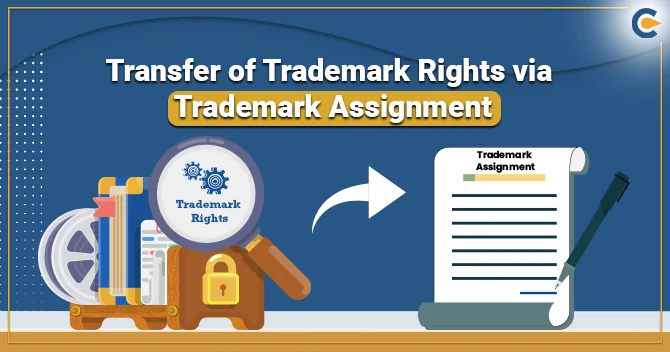
A brand may be transferred as part of a business acquisition or a separate intellectual-property transaction. Identify exactly which applications, registrations and related rights are included. Trademark registration records and the underlying transfer agreement must be considered together, including any required recordal steps.
A founder transferring a brand to a newly incorporated company should not rely on an informal understanding. Review the parties, authority to sign, consideration and any associated goodwill or licences. The relevant company registration arrangements are separate from the ownership and transfer of the mark.
Enforcement and Earlier Brand Rights
Trademark registration can provide a basis for infringement remedies where the legal requirements are met. Outcomes depend on the registered scope, the challenged use, available evidence and applicable defences. Unregistered rights and passing-off issues may also require assessment; not every similar word amounts to actionable infringement.
Before sending a notice, retain copies of the relevant advertisements, listings, packaging and correspondence. Record dates and the source of each item. Trademark registration does not justify threatening every competitor using descriptive language. Obtain a matter-specific assessment of the appropriate forum and remedy before committing to litigation or making public accusations.
E-Commerce and Marketplace Evidence
Trademark registration may assist a brand owner when reporting misuse through an online marketplace’s intellectual-property process. Each platform has its own requirements, and acceptance of a complaint is not guaranteed. Keep the registered-owner information, product listings and alleged infringement evidence consistent.
Online sellers should distinguish counterfeit goods, unauthorised imagery and misleading seller descriptions. These can raise different legal and platform-policy questions. Record the listing address, seller identity where available and dated screenshots before material changes or disappears. Avoid assuming that a successful platform complaint determines all legal rights between the parties.
Trademark Registration for Small Businesses
Trademark registration is relevant to smaller businesses as well as established manufacturers. Retailers in Saddar, food businesses in Gulshan-e-Iqbal and service providers in DHA may face different branding risks, but each benefits from clear ownership records and an accurate description of its activities.
Prioritise the marks actually used in the business rather than filing every possible name without a strategy. Trademark registration planning should consider the cost of rebranding, packaging stock and future expansion. A practical initial consultation can identify which documents are missing and which brand choices need further legal review.
Trademark Registration Compared With Other Rights
Trademark registration protects qualifying signs identifying goods or services; it does not protect an abstract idea or automatically secure ownership of all creative work. Original artwork, written content and software can raise separate copyright questions. The distinction matters when a designer supplies a logo or a marketing agency prepares brand material.
| Requirement | Main Purpose |
|---|---|
| Trademark registration | Protection of a qualifying commercial sign within its legal scope. |
| Company incorporation | Creation of the company under the applicable corporate framework. |
| Copyright protection | Rights in qualifying original expression, subject to the relevant law. |
These protections may coexist. Discuss copyright registration and ownership evidence separately where artwork or content is involved.
Creative Suppliers and Brand Documentation
Trademark registration preparation should include a review of agreements with designers and other suppliers. Keep the design brief, invoice, source files and written ownership or licensing terms. Payment for a service should not be treated as a substitute for checking the applicable rights and agreed terms.
Disclose third-party stock elements, fonts or artwork used in the logo. Their licence conditions may affect the proposed use. A clear record helps avoid a later dispute between founders and creative suppliers while supporting a consistent explanation of the brand’s origin.
Renewal and Ongoing Trademark Records
Trademark registration requires continuing attention after the certificate is issued. Under the statutory framework, registration runs for ten years and can be renewed for further ten-year periods. The deemed registration date relates to the application date, so calculate deadlines from the official record rather than assuming that the certificate’s issue date starts the term.
Keep contact details current, diarise renewal and retain evidence of commercial use. Trademark registration is not immune from challenge merely because it has remained on the register. Changes in ownership, licences, product ranges or the mark itself should trigger a review of the records and any appropriate filing steps.

Karachi Office Appointments
Head Office: 2nd Floor, Supreme Corner, Johar Chowrangi, Gulistan-e-Johar, Karachi.
DHA Branch: 76-C, Mezzanine, Main Jami Commercial, Phase 7, DHA, Karachi.
Arrange a telephone appointment: +92 331 6644789 or WhatsApp. Please confirm the appointment location and office consultation fee when booking.
Preparing a Karachi Trademark Appointment
For trademark registration advice, send the proposed brand, applicant details, product or service list and any known conflicting names. Bring earlier application records and notices if the matter has already started. Explain whether the immediate objective is a new filing, a response, a renewal, a licence or enforcement.
The legal framework can be consulted in the Trade Marks Ordinance, 2001. Filing requirements should be checked with IPO-Pakistan for the particular application. Arrange an appointment with our Karachi team and confirm the scope and charges before instructing work.
Trademark Registration in Karachi: Frequently Asked Questions
Does Company Incorporation Secure Trademark Registration?
No. A company-name reservation and a trademark application are distinct. A proposed brand should be considered separately for trademark availability, ownership and the relevant goods or services.
Does Pakistani Trademark Registration Cover Overseas Sales?
No. Identify the countries or regions in which protection is needed and assess the appropriate filing route. International treaties do not turn every national registration into worldwide protection.
What Documents Support Trademark Registration?
Prepare the proposed mark, the applicant's correct identity and a clear description of the goods or services. Include existing packaging, website use and any earlier application records. The filing strategy should reflect the actual business rather than a generic description.
Why Search Earlier Marks Before Trademark Registration?
An earlier-mark search can help identify potential conflicts and guide the proposed goods or services specification. It does not guarantee acceptance. Tell the lawyer about similar names already known to you and any correspondence with another brand owner.
Should Word and Logo Trademark Registration Be Reviewed Separately?
Show the lawyer the exact word and logo versions you intend to use. Their presentation and the protection sought may differ. A filing recommendation should identify what each application covers instead of assuming that one version automatically resolves every branding issue.
What Happens After a Trademark Registration Objection?
Keep the full communication, filing acknowledgment and earlier responses together. Identify the response date stated in the communication and seek advice promptly. The grounds raised must be reviewed before deciding what explanation, evidence or other action is appropriate.
Does Filing Guarantee Trademark Registration or Safe Use?
No. Filing and registration are different stages, and the surrounding rights and business use still need review. Disclose any warning letter or known competing mark before committing to packaging, signage or a launch based only on an application acknowledgment.
What Designer Records Help With Trademark Registration?
Keep the design brief, invoice, correspondence and any written terms about ownership and permitted use. Ask for the source files and disclose any third-party material included in the design. These records help the lawyer assess the applicant's position before filing.
What Records Support a Trademark Registration Transfer?
Provide the existing registration or application details, the parties' identities and the proposed transfer agreement. Explain whether the transaction also includes a business, goodwill or a licence. The documents and any recordal steps should be reviewed for that particular transaction.
How Should Trademark Registration Work Be Quoted?
Ask the quotation to distinguish preliminary review, filing, responses to objections, opposition work and later enforcement. Professional charges and official or third-party expenses should be identified. Do not assume that every future registry or dispute stage is covered by the initial filing scope.
Last Updated: 23 October 2026