


Executive Summary: Visitation Rights in Karachi in Brief
What the service is
We prepare and pursue applications for a meeting schedule with a child who lives with the other parent or a relative, ask for interim meetings while the main case continues, and take enforcement steps when an agreed or ordered schedule is not followed.
Who needs it
Fathers or mothers living apart from their children after separation or divorce, parents whose meetings have been stopped without reason, overseas parents who need video contact, and in suitable cases grandparents or other close relatives seeking to stay in touch.
How the fee is set
The fee is quoted after the documents are reviewed — the Nikah Nama, any divorce papers, existing custody or maintenance orders and correspondence. It depends on whether a case is already pending and how contested the meetings are.
How long it usually takes
An interim meeting order can sometimes be obtained within the first few hearings. A final schedule depends on the court’s calendar and the other side’s conduct, and may take several months. We give realistic ranges, never guarantees.
How to start
Send a one-page summary on WhatsApp: the child’s age, where the child lives, when you last met, and any order already passed. Attach the Nikah Nama and court papers. A lawyer will advise on the quickest lawful route.
Advocate-led since 1985
Guardian Court work has been part of our family practice since 1985. Files are supervised by an Advocate Supreme Court, which matters when an order has to be defended or enforced in appeal or before the Sindh High Court.
Who Can Seek Visitation Rights in Karachi
The parent without custody is the usual applicant, whether father or mother. Courts treat contact with both parents as generally in the child’s interest unless it would harm the child. Grandparents and other close relatives may also apply in suitable cases, particularly after a parent has died.
The Law Behind Visitation Rights in Karachi
Guardians and Wards Act 1890
The Act empowers the Guardian Court to decide custody and to make orders regulating a minor’s meetings with the parent who does not have custody. Every order is made with the welfare of the minor as the guiding consideration.
Family Courts Act 1964
Family Courts have exclusive jurisdiction over custody and guardianship matters, so visitation is usually decided in the same court that hears custody, maintenance or dissolution between the parents, which avoids conflicting orders.
Welfare of the minor comes first
Muslim personal law traditionally gives the mother custody of young children, but neither parent’s wishes override the child’s welfare. The court looks at age, health, schooling, the child’s own wishes where mature enough, and each parent’s conduct.
Typical Meeting Schedules Courts Consider
| Arrangement | Common pattern | Points to note |
|---|---|---|
| Regular meetings | A few hours on a fixed day each week or fortnight | Often at a neutral or court-approved venue for young children |
| Overnight stays | Weekend stays once the child is older and settled | Usually allowed after supervised meetings have gone well |
| School holidays | A share of summer or winter vacation | Pick-up and return times written into the order |
| Eid and special days | Alternating Eid days or part of each Eid | Birthdays may be split or shared |
| Video contact | Scheduled video calls each week | Common where one parent lives abroad |
Interim Visitation Rights in Karachi While the Case Runs
Custody cases can take months. A parent does not have to wait for the final decision to see the child. An application for interim meetings can be filed with the guardianship petition, and the court can fix a temporary schedule, sometimes at the court premises, until the case is decided.
Practical Terms of a Meeting Order
Holidays, Eid and Birthdays
Disputes often flare at Eid and during school holidays. A good order sets out which parent has the child on which Eid day, how vacation time is shared, and exact pick-up and return times. Clear written terms prevent arguments and make enforcement much easier if one side does not comply.
Where Meetings Take Place
For young children or where trust has broken down, meetings are often fixed at the court premises or another neutral place. As meetings go smoothly, parents frequently agree to move them to a home, a relative’s house or a public place, and the court can vary the order accordingly.
Supervised Meetings
Where there are genuine concerns, such as a long gap since the last meeting or allegations about safety, the court may direct that meetings take place under supervision at the court premises. Supervision is usually a starting point, and arrangements can be relaxed once meetings have gone well.
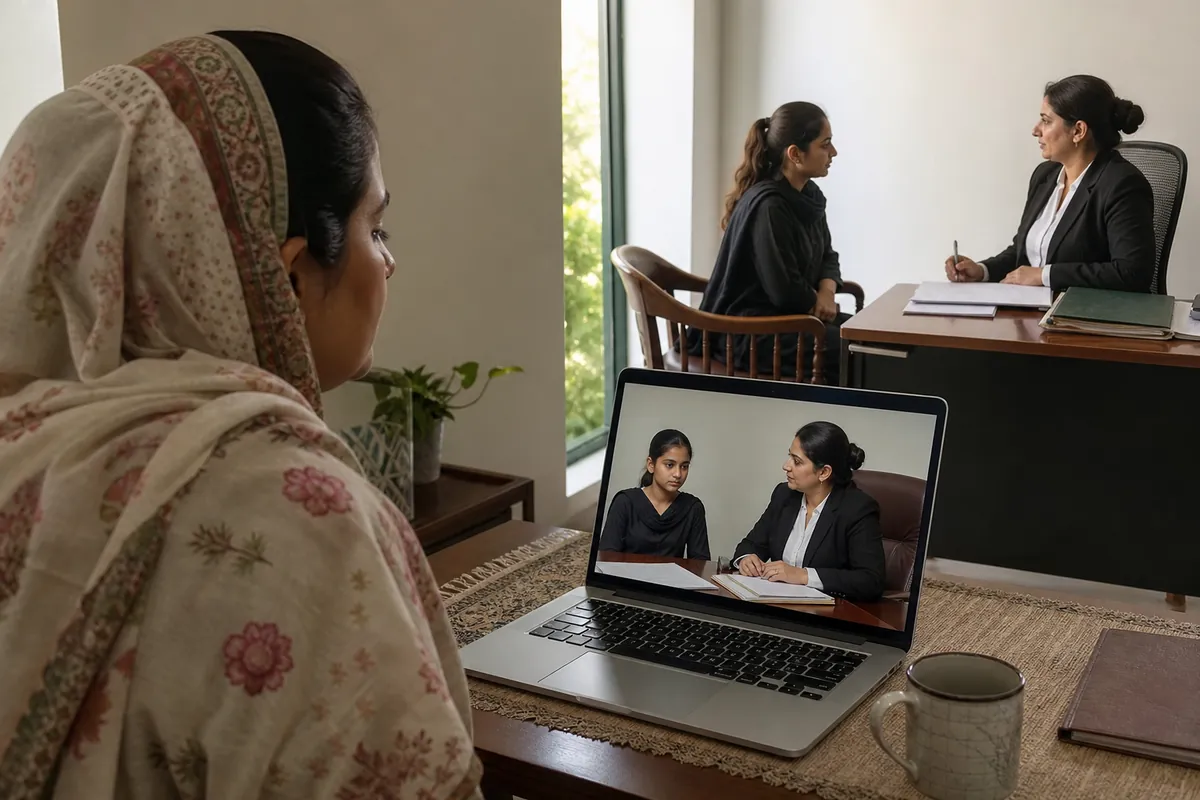
Visitation Rights in Karachi for a Parent Living Abroad
A parent working abroad can ask for regular video calls at fixed times, together with meetings during visits to Pakistan. The order can require the custodial parent to make the child available for calls. We can file and pursue the application through a power of attorney while the parent is overseas.
Enforcing Visitation Rights in Karachi
- Keep a dated record of every missed or cancelled meeting, with messages as evidence.
- Send a polite written reminder of the agreed or ordered schedule.
- Apply to the Guardian Court for enforcement of the meeting order.
- Ask the court to take action available to it against a parent who keeps disobeying.
- Where obstruction is persistent, ask the court to reconsider custody arrangements in the child’s interest.
Settling and Varying the Schedule
Agreeing a Schedule Without a Long Fight
Many meeting disputes settle once both parents see a written proposal. The Family Court also attempts reconciliation at the pre-trial stage, and an agreed schedule can be recorded in the court’s order. A settled arrangement usually works better for the child than one imposed after months of hearings.
Changing a Visitation Order
Orders are not permanent. As a child grows, changes school or moves house, either parent can ask the court to vary the schedule. The applicant should show what has changed and why the new arrangement serves the child better. Agreed changes can be recorded by the court.
The Child’s Own Wishes
An older child’s preferences are heard and given weight, though they do not decide the matter on their own. Courts are alert to a child being coached by one parent. A steady, respectful approach from the applicant usually carries more weight than pressing the child for a view.
Keeping Meetings Child-Centred
Be punctual
Arrive on time and return the child on time; reliability counts with the court.
No arguments in front of the child
Keep disputes between adults out of the meeting.
Keep a record
Note each meeting and any problems, calmly and factually.
Evidence That Supports Visitation Rights in Karachi
- The Nikah Nama and any divorce or khula papers.
- The child’s birth certificate or B-Form.
- Records of past meetings, messages and phone calls.
- Proof of maintenance paid for the child.
- Any existing custody, maintenance or meeting order.
Related Family Pages
For custody itself see child custody and guardianship services. For divorce and khula see family and divorce lawyers in Karachi, and for a first meeting see family law consultation in Karachi.
How We Handle Visitation Rights in Karachi
Send your summary and any existing order on WhatsApp to +92 333 1127830. A lawyer will advise whether to seek an agreed schedule, an interim order or enforcement, quote the fee after reviewing the documents and file at the appropriate Family Court in Karachi.
Frequently asked questions
Can a father get meetings with a young child living with the mother?
Yes. Even where the mother has custody of a young child, the court will ordinarily allow the father regular meetings unless they would harm the child. The schedule depends on the child’s age and circumstances.
Do I have to wait until the custody case ends?
No. You can apply for interim meetings with the guardianship petition, and the Guardian Court can fix a temporary schedule while the case continues. This keeps the relationship alive during proceedings that may take months.
Which court decides meeting schedules in Karachi?
The Family Court acting as Guardian Court in the district where the child ordinarily lives, under the Guardians and Wards Act 1890 and the Family Courts Act 1964. Appeals and further remedies may lie to higher courts.
Can grandparents apply?
In suitable cases, yes — especially where a parent has died. The court asks whether contact with the grandparents serves the child’s welfare, so evidence of an existing close relationship helps.
What if the other parent ignores the order?
Keep a record of missed meetings and apply to the Guardian Court for enforcement. Persistent disobedience is taken seriously and may lead the court to reconsider custody arrangements in the child’s interest.
Can I have video calls from abroad?
Yes, an order can provide for regular video calls at fixed times and meetings during your visits to Pakistan. We can conduct the case through a power of attorney while you are overseas.
Where will meetings take place?
Initially often at the court premises or another neutral venue, especially for young children. As trust builds, parents commonly agree to meetings at home or in public places, and the order can be varied.
Can the schedule be changed later?
Yes. Either parent can apply to vary the order when circumstances change, such as the child’s age, schooling or a move. The court will consider what best serves the child at that time.
Does paying maintenance affect my right to meet the child?
Maintenance and meetings are separate questions, but the court looks at each parent’s overall conduct. Paying maintenance regularly strengthens your position, so we usually advise on maintenance and meetings together.
How is your fee decided?
The fee is quoted after we review the Nikah Nama, any divorce or court papers and your summary. It depends on whether a case is already pending and how strongly meetings are contested.
Speak to Karachi Lawyers about Visitation Rights in Karachi
Karachi Lawyers has practised since 1985 and has about 17 advocates, including two Advocates Supreme Court. Send a WhatsApp message to +92 333 1127830 with your name, a two-line summary of the matter, any deadline or hearing date, and photos of the key documents. We will tell you what the law requires, which documents are missing and what the next step is, and fix an appointment at our Gulistan-e-Jauhar office (Mezzanine Floor, Muneer Mobile Mall, Block 17) or our DHA office (Mezzanine Floor, Main Jami Commercial, Phase 7). We explain the scope of work before you instruct us, and we never promise an outcome we cannot control.
Related services from Karachi Lawyers
Official sources
For reference only. Procedures and charges change; confirm the current position for your own case.
This page gives general information about the law in Pakistan and is not legal advice for your particular case. No outcome, timeline or fee can be guaranteed before your documents and circumstances have been reviewed.
Reviewed by: Syed Akhtar Rizvi, Advocate Supreme Court
Published by: Karachi Lawyers
Last updated: